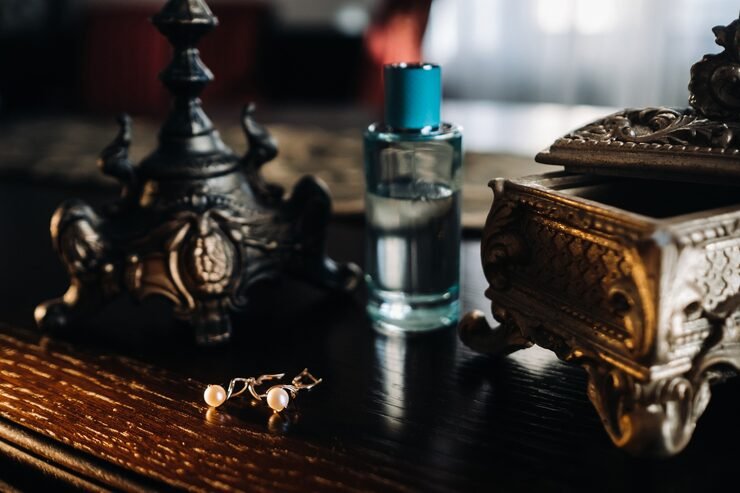
Choosing a perfume is more than simply finding a pleasant fragrance. Your perfume can reflect your personality, mood, lifestyle, and even the occasions you enjoy most. Among the many fragrance styles available today, Arabic and French perfumes are two of the most popular choices for fragrance lovers.
Both offer beautiful scents, impressive collections, and distinctive fragrance profiles. However, they often differ in ingredients, concentration, projection, longevity, and overall character. So, which one should you choose?
The answer depends on your personal taste and what you expect from your perfume. In this guide, we compare Arabic vs French perfumes to help you find the fragrance style that suits you best.
What Are Arabic Perfumes?
Arabic perfumes are strongly influenced by Middle Eastern fragrance traditions. They are known for rich, warm, luxurious, and highly expressive compositions.
Traditional Arabic perfumery often uses ingredients such as oud, amber, musk, saffron, rose, vanilla, sandalwood, and various spices. These ingredients create deep and memorable fragrances that can feel elegant, sensual, and sophisticated.
Oud is particularly important in Arabic perfumery. It has a distinctive woody, smoky, and sometimes slightly sweet character. Modern Arabic perfumes, however, are not limited to oud. Many contemporary fragrances combine traditional Middle Eastern ingredients with fresh, fruity, floral, and gourmand notes.
Arabic perfumes are available as perfumes for men, women, and unisex fragrances, making them suitable for a wide variety of preferences.
What Are French Perfumes?
French perfumes are associated with the long history and craftsmanship of French perfumery. France has played a major role in shaping the modern fragrance industry, particularly through perfume houses and the fragrance culture of Grasse and Paris.
French fragrances often focus on balance, refinement, elegance, and carefully structured compositions. They can include floral, citrus, fruity, woody, powdery, aromatic, and gourmand notes.
Popular French-style perfume compositions may feature rose, jasmine, lavender, bergamot, iris, vanilla, patchouli, sandalwood, and musk.
One of the biggest advantages of French perfumery is the enormous variety available. Whether you prefer a light daytime fragrance, sophisticated office perfume, romantic floral scent, or powerful evening fragrance, there is usually a French perfume style to match it.
Arabic vs French Perfumes: Key Differences
Although there are many exceptions, Arabic and French perfumes generally have different fragrance personalities.
1. Fragrance Style
Arabic perfumes are often richer, warmer, and more intense. Oud, amber, musk, spices, and sweet notes can create a powerful fragrance experience.
French perfumes are often more balanced and versatile. They may emphasize fresh citrus, delicate florals, elegant woods, or sophisticated blends of several fragrance families.
If you enjoy bold and noticeable fragrances, Arabic perfumes may appeal to you. If you prefer polished and adaptable fragrances, French perfumes may be a better choice.
2. Longevity
Longevity depends on the specific perfume, concentration, ingredients, skin chemistry, and weather. However, many Arabic fragrances are designed with strong, long-lasting compositions.
Perfumes containing oud, amber, musk, woods, and concentrated oils can remain noticeable for many hours.
French perfumes can also offer excellent longevity, especially Eau de Parfum and Parfum concentrations. However, some French fragrances are intentionally designed to be lighter and more subtle.
If your priority is a fragrance that stays noticeable for a long time, explore highly concentrated Arabic perfumes as well as strong French Eau de Parfum or Parfum options.
3. Projection and Sillage
Projection refers to how far a fragrance can be smelled from you, while sillage describes the scent trail left behind as you move.
Arabic perfumes frequently have strong projection and prominent sillage, especially fragrances featuring oud, amber, musk, and spices.
French fragrances range from soft and intimate to powerful and attention-grabbing. Many are designed with a more controlled projection, making them suitable for workplaces and social situations where you do not want an overpowering fragrance.
4. Ingredients
Arabic perfumery traditionally emphasizes ingredients such as oud, amber, musk, rose, saffron, cardamom, and spices.
French perfumery uses a much broader palette, including citrus fruits, flowers, woods, herbs, spices, musks, vanilla, and modern aroma materials.
Modern perfume houses around the world increasingly combine influences from different fragrance traditions. Therefore, the distinction between Arabic and French perfume is not always absolute.
When Should You Choose an Arabic Perfume?
Arabic perfumes can be an excellent choice if you enjoy fragrances with depth and personality.
For Evening Events
Rich oud, amber, musk, and spicy fragrances can work particularly well for dinners, weddings, celebrations, and evening gatherings.
For Special Occasions
A powerful Arabic perfume can make a memorable impression at weddings, parties, festivals, and other important events.
For Cooler Weather
Warm and rich fragrance notes often perform beautifully during autumn and winter. Amber, oud, vanilla, musk, and woody accords can create a comforting and luxurious effect.
If You Like Strong Fragrances
If you want people to notice your perfume when you enter a room, explore fragrances with stronger projection and sillage.
When Should You Choose a French Perfume?
French perfumes can be ideal for people who prefer versatility and refined fragrance compositions.
For Everyday Wear
Fresh, citrus, floral, woody, and clean fragrances can work well for everyday activities.
For Office Use
A sophisticated French fragrance with moderate projection can be a good choice for professional environments.
For Spring and Summer
Fresh citrus, aquatic, floral, and light fruity fragrances can feel refreshing during warmer weather.
For Minimalist Fragrance Lovers
If you prefer subtle fragrances that stay closer to the skin, many French perfume options can fit your style.
Arabic Perfumes for Men
Arabic perfumes for men frequently feature bold and masculine notes such as oud, leather, amber, tobacco, woods, spices, and musk.
A modern Arabic men’s perfume may combine oud with vanilla or citrus to create a fragrance that feels both traditional and contemporary.
For formal evening occasions, an oud-based perfume can be an excellent option. For everyday use, look for compositions that combine woody notes with citrus, aromatic, or fresh accords.
Arabic Perfumes for Women
Arabic perfumes for women can range from rich and luxurious to sweet, floral, fruity, and elegant.
Rose and oud are especially popular combinations. Other fragrances may combine vanilla, musk, amber, jasmine, saffron, or fruity notes.
If you enjoy sweet and luxurious perfumes, explore Arabic fragrances featuring vanilla, amber, and musk. For a more floral personality, rose, jasmine, and other white flowers can create an elegant result.
French Perfumes for Men
French men’s perfumes cover almost every major fragrance family.
Fresh citrus and aquatic scents can be suitable for daytime and summer. Woody and aromatic perfumes can work well for business or casual occasions, while spicy and oriental-inspired compositions can be excellent for evenings.
The versatility of French perfumery makes it easier to find a fragrance that matches different lifestyles.
French Perfumes for Women
French women’s perfumes are famous for elegant floral, fruity, powdery, woody, and gourmand compositions.
Floral fragrances featuring rose, jasmine, iris, or orange blossom can provide a sophisticated feminine character. Fruity and gourmand perfumes may be sweeter and more playful, while woody and musk-based compositions can create a modern and confident style.
Which Has Better Value for Money?
There is no universal winner.
The price of a perfume depends on the ingredients, concentration, brand, packaging, production, and distribution. Some Arabic perfumes provide impressive performance at competitive prices, while premium French fragrances can command higher prices because of brand reputation, formulation, and luxury positioning.
Instead of choosing based only on price, consider concentration, bottle size, performance, ingredients, and how frequently you plan to wear the perfume.
A fragrance that you genuinely enjoy and regularly wear can provide better value than an expensive bottle that stays unused.
How to Choose the Right Perfume for You
Before buying a perfume, think about your lifestyle and personal preferences.
Consider your personality: If you are confident and enjoy bold scents, try oud, amber, spices, and woods. If you prefer a clean and understated style, explore citrus, floral, aquatic, or soft woody fragrances.
Think about the occasion: A powerful oud fragrance may be excellent for a wedding but too strong for a small office. Similarly, a light citrus fragrance may be perfect for daytime but less suitable for a winter evening.
Consider the weather: Heavy fragrances often perform better in cooler conditions, while fresh fragrances can feel more comfortable in hot weather.
Test before buying when possible: Spray the perfume on your skin rather than relying entirely on how it smells on a paper strip. Skin chemistry can change how a fragrance develops.
Give it time: Do not judge a perfume immediately after spraying. Allow it to develop through its opening, heart, and base notes.
Arabic or French: Which One Is Better?
There is no single winner in the Arabic vs French perfume comparison.
Choose Arabic perfumes if you prefer rich, warm, powerful, luxurious, and long-lasting fragrance profiles. Oud, amber, musk, saffron, spices, and woods can create an unforgettable signature scent.
Choose French perfumes if you prefer refined, versatile, elegant, fresh, floral, or sophisticated fragrances that can easily fit different occasions.
You can also enjoy both. Many fragrance lovers keep different perfumes for different seasons and situations. A fresh French fragrance can be perfect for daytime, while a rich Arabic oud can become your signature scent for evenings.
Final Thoughts
Arabic and French perfumes each offer something unique. Arabic perfumery brings richness, intensity, tradition, and luxurious ingredients, while French perfumery is known for refinement, creativity, balance, and versatility.
The best perfume is ultimately the one that makes you feel confident and comfortable.
If you are exploring new fragrances, do not limit yourself to one fragrance tradition. Try different oud, amber, floral, citrus, vanilla, musk, woody, and gourmand compositions. You may discover that your ideal perfume combines elements of both Arabic and French perfumery.
Whether you want a bold fragrance for a special occasion or an elegant scent for everyday wear, exploring different perfume styles can help you build a fragrance collection that matches your personality, lifestyle, and every occasion.