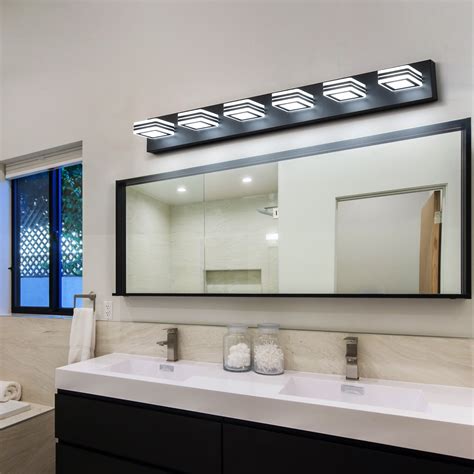
A bathroom vanity cabinet with sink is more than just a functional piece of furniture—it’s the centerpiece of your bathroom design. When it’s waterproof, it becomes a long-lasting investment that combines durability, style, and practicality. In this comprehensive 1750-word post, we’ll explore everything you need to know about waterproof bathroom vanity cabinets with sinks: their benefits, materials, styles, installation tips, and how to choose the perfect one for your space.
Why Choose a Waterproof Bathroom Vanity Cabinet?
Bathrooms are high-moisture environments. Steam from showers, splashes from sinks, and occasional leaks can wreak havoc on traditional cabinetry. A waterproof vanity cabinet ensures:
- Longevity: Resistant to swelling, warping, or rotting caused by water exposure.
- Hygiene: Prevents mold and mildew growth, keeping your bathroom healthier.
- Low Maintenance: Easy to clean and maintain compared to wood-based cabinets.
- Value for Money: A waterproof cabinet lasts longer, reducing replacement costs.
🛠️ Materials Used in Waterproof Vanity Cabinets
The choice of material determines durability, aesthetics, and cost. Here are the most common waterproof materials:
| Material | Features | Pros | Cons |
|---|---|---|---|
| PVC (Polyvinyl Chloride) | 100% waterproof, lightweight | Affordable, easy to clean, resistant to termites | Limited design options |
| HDHMR (High-Density High Moisture Resistant Board) | Engineered wood with moisture resistance | Strong, stylish, customizable | Not fully waterproof |
| Marine Plywood | Specially treated plywood | Durable, can be laminated for waterproofing | More expensive |
| Solid Surface (Acrylic/Resin) | Seamless, non-porous | Luxurious look, stain-resistant | Higher cost |
| Stainless Steel | Metal construction | Extremely durable, modern look | Can feel cold, industrial |
🚿 Types of Waterproof Bathroom Vanity Cabinets with Sink
- Wall-Mounted Vanities
- Floating design creates a modern look.
- Saves floor space and makes cleaning easier.
- Ideal for small bathrooms.
- Freestanding Vanities
- Traditional style with legs or base touching the floor.
- Offers more storage space.
- Suitable for larger bathrooms.
- Corner Vanities
- Designed to fit into bathroom corners.
- Maximizes space in compact bathrooms.
- Double-Sink Vanities
- Perfect for shared bathrooms.
- Provides ample counter space and storage.
🎨 Design Styles to Consider
- Modern Minimalist: Sleek lines, glossy finishes, neutral colors.
- Rustic Charm: Wood-look laminates, matte textures, earthy tones.
- Luxury Spa-Inspired: Marble countertops, LED lighting, premium fittings.
- Compact & Functional: Smart storage solutions, integrated shelves, slim sinks.
🧰 Installation Tips
- Measure Carefully: Ensure the vanity fits your bathroom layout without obstructing doors or pathways.
- Plumbing Alignment: Position the sink and cabinet where plumbing connections are easily accessible.
- Wall Strength: For wall-mounted vanities, check that the wall can support the weight.
- Seal Properly: Use waterproof sealants around edges to prevent seepage.
- Professional Help: Hiring a plumber or carpenter ensures a flawless installation.
💡 How to Choose the Right Waterproof Vanity Cabinet
When selecting your vanity, consider:
- Bathroom Size: Compact vanities for small bathrooms, double-sink for larger ones.
- Storage Needs: Drawers, shelves, or cabinets depending on your essentials.
- Budget: PVC is cost-effective, while solid surfaces and stainless steel are premium.
- Aesthetic Preference: Match with tiles, wall colors, and overall bathroom theme.
- Maintenance: Choose materials that are easy to clean and resistant to stains.
🧼 Maintenance and Care
Even waterproof cabinets need care to stay pristine:
- Wipe surfaces regularly to prevent soap scum buildup.
- Avoid harsh chemicals; use mild cleaners.
- Check hinges and handles for rust or wear.
- Reseal edges every few years for added protection.
🌍 Eco-Friendly Options
Sustainability is becoming a priority in bathroom design. Look for:
- Recycled PVC or composite boards.
- Low-VOC finishes to reduce indoor air pollution.
- Water-saving sinks and faucets integrated with the vanity.
📈 Trends in Waterproof Bathroom Vanities
- Smart Vanities: Built-in LED mirrors, touchless faucets, and USB charging ports.
- Compact Storage Solutions: Pull-out organizers and hidden compartments.
- Bold Colors: Moving beyond whites and neutrals to navy, emerald, and matte black.
- Integrated Lighting: Ambient lighting under floating vanities for a luxurious feel.
🏡 Real-Life Use Cases
- Small Apartment Bathrooms: A wall-mounted PVC vanity with a slim sink maximizes space.
- Luxury Homes: Double-sink solid surface vanities with marble tops add elegance.
- Commercial Spaces: Stainless steel vanities in hotels and gyms ensure durability.
📊 Cost Breakdown
- PVC Vanities: ₹8,000 – ₹20,000
- HDHMR/Marine Plywood: ₹15,000 – ₹40,000
- Solid Surface: ₹30,000 – ₹70,000
- Stainless Steel: ₹25,000 – ₹60,000
Prices vary based on size, design, and brand.
📝 Conclusion
A waterproof bathroom vanity cabinet with sink is a smart investment for any modern home. It combines durability, style, and practicality, ensuring your bathroom remains functional and beautiful for years. Whether you prefer a sleek wall-mounted design or a spacious double-sink vanity, choosing the right material and style will transform your bathroom into a comfortable, elegant space.