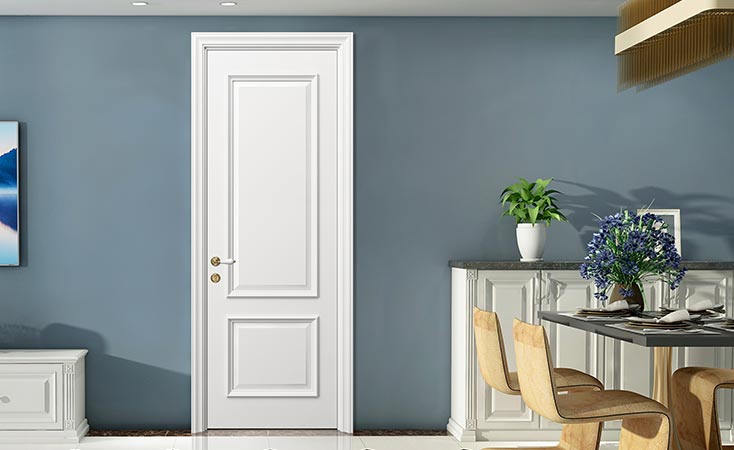
Prehung doors have become one of the most popular choices for modern homes, renovations, and new construction projects. Designed for convenience, precision, and efficiency, prehung doors simplify installation while ensuring a professional finish. Whether you are a homeowner planning a remodel or a contractor managing multiple projects, understanding prehung doors can help you save time, reduce errors, and achieve superior results.
In this comprehensive guide, we’ll explore what prehung doors are, their components, benefits, types, materials, installation process, and tips for choosing the right one for your space.
What Are Prehung Doors?
A prehung door is a door unit that comes already mounted on its frame. Unlike slab doors, which are sold without hinges or frames, prehung doors arrive as a complete system. The door is factory-attached to hinges and set inside a door jamb, often with pre-drilled holes for the handle and latch.
This all-in-one design ensures that the door is properly aligned and ready to install into a prepared doorway. Prehung doors are commonly used for both interior and exterior applications and are especially popular in new construction or full-scale renovations.
Key Components of a Prehung Door
Understanding the components of a prehung door helps you appreciate why it offers such a smooth installation process:
- Door Slab: The actual door panel, available in solid core, hollow core, wood, fiberglass, steel, or glass options.
- Door Frame (Jamb): The vertical and horizontal framework that surrounds the door.
- Hinges: Factory-installed to ensure proper alignment and smooth operation.
- Pre-cut Hardware Openings: Holes for door handles and locks are typically pre-drilled.
- Threshold (Exterior Doors): Provides insulation and prevents drafts and moisture.
- Weatherstripping (Exterior Doors): Enhances energy efficiency and protection against the elements.
Benefits of Prehung Doors
1. Easy and Faster Installation
One of the biggest advantages of prehung doors is their ease of installation. Since the door is already aligned within the frame, installers can focus on fitting the entire unit into the rough opening. This significantly reduces labor time and the chances of alignment errors.
2. Perfect Alignment
Factory assembly ensures consistent spacing and smooth swing operation. This minimizes issues like sticking, uneven gaps, or improper closing, which are common with slab door installations.
3. Ideal for New Construction
Prehung doors are the preferred choice for new builds because walls are often unfinished, making it easier to install the entire door-and-frame unit before drywall and trim are added.
4. Improved Energy Efficiency
Exterior prehung doors often come with built-in weatherstripping and thresholds, improving insulation and reducing air leakage. This can contribute to lower energy bills and better indoor comfort.
5. Professional Finish
Because everything is pre-measured and assembled, prehung doors deliver a clean, polished appearance that enhances the overall aesthetic of a home.
Types of Prehung Doors
Interior Prehung Doors
Interior prehung doors are commonly used for bedrooms, bathrooms, closets, and offices. Popular styles include:
- Panel Doors: Classic and versatile
- Flush Doors: Minimalist and modern
- Glass or Frosted Doors: Ideal for offices and shared spaces
- Sliding or Pocket Prehung Systems: Space-saving solutions
Exterior Prehung Doors
Exterior prehung doors are designed for durability, security, and insulation. Common types include:
- Entry Doors
- Patio Doors
- French Doors
- Storm Doors
These doors often include reinforced frames, multi-point locking systems, and weather-resistant materials.
Materials Used in Prehung Doors
Choosing the right material affects durability, maintenance, and appearance:
- Wood: Offers natural beauty and customization but requires regular maintenance.
- Fiberglass: Durable, energy-efficient, and resistant to moisture and warping.
- Steel: Provides superior security and insulation at an affordable price.
- MDF or Composite: Common for interior doors due to their smooth finish and affordability.
- Glass Inserts: Add light and elegance, often combined with wood or fiberglass frames.
Prehung Doors vs. Slab Doors
While both options serve the same basic function, prehung doors offer several advantages over slab doors:
- Prehung doors include the frame and hinges, while slab doors do not.
- Slab doors require precise measurements and hinge cutting on-site.
- Prehung doors reduce installation time and complexity.
- Slab doors are often chosen for replacements where existing frames are in good condition.
For most renovation and construction projects, prehung doors provide greater convenience and reliability.
Installation Overview
Although professional installation is recommended, understanding the basic process is helpful:
- Prepare the Rough Opening: Ensure the opening is level, plumb, and slightly larger than the door unit.
- Position the Door: Place the prehung door into the opening.
- Shim and Level: Use shims to adjust alignment and ensure smooth operation.
- Secure the Frame: Fasten the jamb to the wall studs.
- Test the Door: Check for smooth opening and closing.
- Finish with Trim: Add casing and paint or stain as desired.
Tips for Choosing the Right Prehung Door
- Measure your rough opening accurately.
- Decide between left-hand or right-hand swing.
- Match the door style with your interior or exterior design.
- Consider insulation and security features for exterior doors.
- Choose durable materials based on climate and usage.
Maintenance and Care
Proper maintenance extends the life of your prehung doors:
- Clean regularly with mild soap and water.
- Inspect hinges and hardware periodically.
- Repaint or refinish wooden doors as needed.
- Check weatherstripping on exterior doors annually.
Conclusion
Prehung doors offer a smart, efficient, and stylish solution for both residential and commercial spaces. Their all-in-one design ensures easy installation, precise alignment, and long-lasting performance. Whether you’re building a new home or upgrading your existing interiors, investing in quality prehung doors can enhance functionality, aesthetics, and value.
By understanding the types, materials, and benefits of prehung doors, you can confidently choose the perfect option for your project and enjoy a seamless installation experience.